General News
10 November, 2025
Questions linger over Farm Frites project
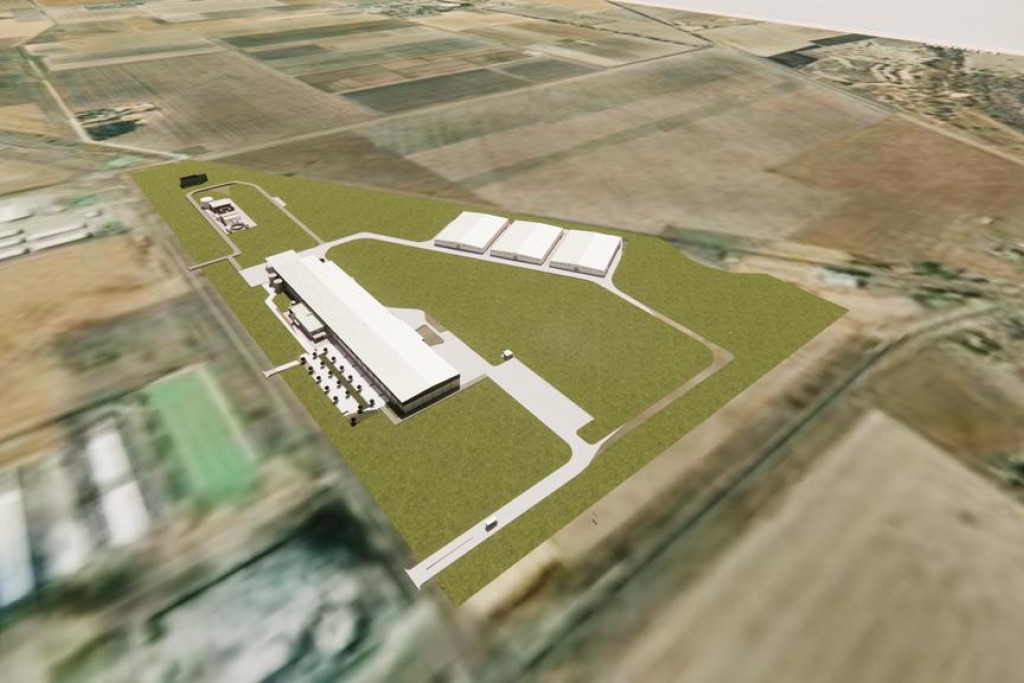
As the dust settles on the state government’s fast-tracked approval of Farm Frites’ $300 million chip plant at Dooen, questions remain over how much public money helped seal the deal.
A spokesperson for the Office of the Premier of Victoria told The Wimmera Mail-Times that details of the Victorian Government’s support for Farm Frites Australia are 'commercial-in-confidence.
A second request to the Premier's Office about the government's support by the Mail-Times received the same response.
The Mail-Times' request to Farm Frites about the financial support it received from the government had not received a response by the time of publishing.
The new food processing facility was granted planning permit approval under the State Government’s development facilitation program, which expedites planning decisions for eligible projects that will inject investment into the Victorian economy, creating new jobs and promoting economic growth.
“This is a huge investment that will see hundreds of jobs created for local workers, driving revenue for the Wimmera and right across the state," said the Minister for Economic Growth and Jobs, Danny Pearson
“We’re proudly backing companies to invest in advanced manufacturing because we know it is key to unlocking economic growth and creating more opportunities for all Victorians.”
The Government’s Economic Growth Statement received $240 million in the Victorian Budget 2025/26 to deliver more than 40 initiatives in full, which will support investment, create jobs, drive exports, and boost industry and innovation.
The new $150 million Victorian Investment Fund will also drive business investment in the state, with $50 million allocated to a regional stream to accelerate growth in priority sectors, including advanced manufacturing and agribusiness.
The 24-hour processing plant is expected to be operational by 2027, promises 250 jobs, and would use locally grown produce.
However, Victorian Farmers Federation president Brett Hosking voiced concerns about that supply and the facility's proximity to the proposed Avonbank Mine.
While welcoming the investment, he highlighted the need to protect the agricultural land it will depend on at a time when he said the agricultural industry is facing some of its toughest challenges.
Mr Hosking questioned the government's long-term priorities.
“This facility sits within a few hundred metres of the proposed Avonbank Heavy Mineral Sands Project," he said.
"It is dependent on a constant and reliable supply of production from Victoria’s potato growers, who are currently at risk of having their production impacted by the proposed VNI West transmission project.
“It relies upon a strong local workforce, which is under pressure from the competing needs of rapidly expanding agricultural success in the region, and now you’ve got these proposed new developments. It feels like the coordination of these competing projects is missing?"
Victorian farmers grow more than 263 thousand tonnes of potatoes annually, making us Australia’s third largest potato growing state in the country and 21 per cent of the $1 billion industry.
"With both the proposed VNI West and WRL transmission lines cutting swathes through the middle of our potato growers' farms, the ability of our farmers to maintain and grow this production is under serious threat," he said.
“It feels like the government is rushing through things without properly thinking through the consequences of their decisions.
“We all love salt on our chips, although I feel we’re less keen on a sprinkling of critical minerals."
Mr Hosking questioned how the Victorian government would protect the development of both these proposals.
"There must be questions whether a mine should be located next to a food manufacturing precinct and existing critical infrastructure, such as the Wimmera Intermodal Freight Terminal," he said.
“We need a much better planning roadmap for Victoria if we are to grow with purpose. It must recognise the significance of our state’s farmers and the land they grow our food and fibre on.
“Our farmers are world leaders, producing a massive amount of productivity on such an incredibly small parcel of this nation’s farmland. We must protect it before it’s gone forever."
The VFF president called for stronger consultation with affected landholders, clearer planning frameworks, and fair compensation for farmers whose livelihoods will be impacted.


