Council
18 February, 2026
Council raises alarm over Sunshine rail changes
Proposed changes to the rail hub at Sunshine and the potential impact on Wimmera freight movements were key points of discussion at the Yarriambiack Shire Council's January 28 meeting.
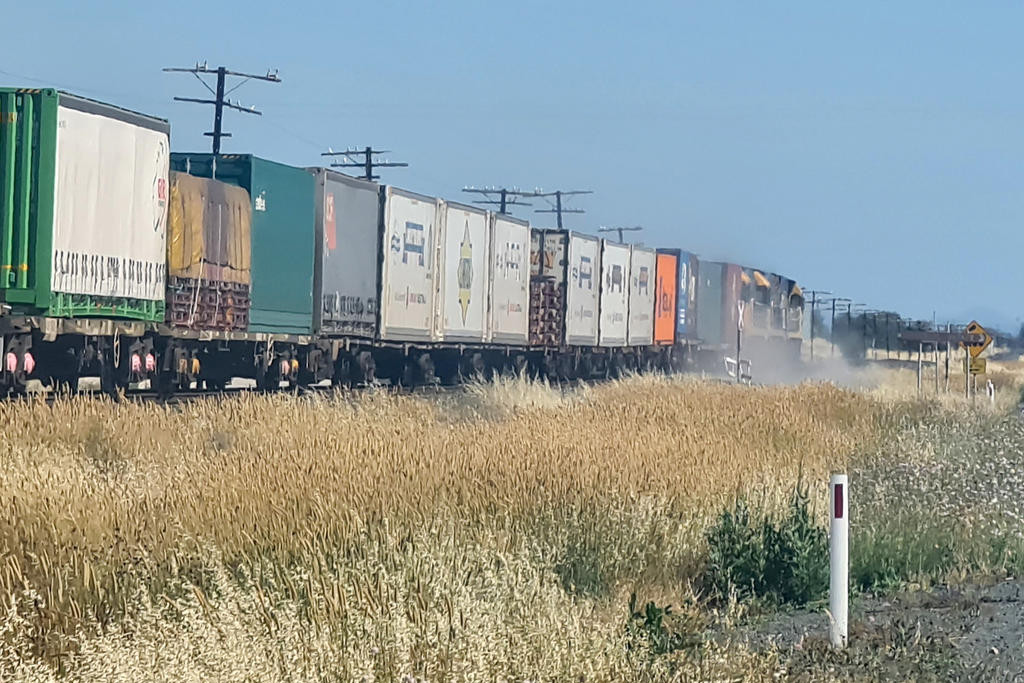
Cr Karly Kirk presented a report outlining how the proposal would affect freight movement between the Greater Southern Mallee region and Melbourne, including the Dooen freight terminal.
"Rail freight is vitally important for Yarriambiack Shire and the greater Wimmera Southern Mallee region," she said.
The proposed changes to the Sunshine Super Hub, part of Victoria’s Big Build funded by the Federal and Victorian Governments, include removing two Sunshine Regional Rail Link Crossovers.
"The removal of these crossovers would have a detrimental impact on rail freight in Victoria, increasing rail costs and driving more freight to road," she said.
More than 20 Victorian municipalities, including Horsham Rural City and Yarriambiack Shire, have agreed to advocate to retain the key rail crossovers at Sunshine.
Under plans linked to the State and Federal Government-funded Sunshine Super Hub, the crossovers would be removed for the first stage of the Melbourne Airport Rail project.
Works are expected to begin in 2026 and be completed in 2030.
As part of the Sunshine Super Hub development, rail freight would primarily be diverted an additional 47 kilometres via Geelong.
This would increase train and cycle transit times and incur additional crewing and fuel costs.
“As reported in the Wimmera Mallee News on July 3, 2024, the single Dooen intermodal centre (operated by SCT Logistics) shifts approximately 22,000 truck trips annually from roads between Horsham and Melbourne to rail, relieving pressure on regional road networks,” Cr Kirk said.
"It is widely acknowledged that fewer road trains translate to decreased maintenance needs for extensive local road networks, especially C-class routes, and help councils manage budgeting pressures.
“Rail offers economies of scale, with 270 containers weekly, mostly grain or legumes being transported from Horsham to the Port of Melbourne.”
She noted that rail is more cost-effective than road transport over long distances, especially for bulk agricultural exports, which improves supply chain performance.
"The extra 47 kilometres of travel should concern our council, the region, and the State Government because it could make rail freight unaffordable, potentially leading to more trucks on our roads," she said.
"This issue is intensified by the emergence of new industries in our area, such as mineral sands mining, hay processing, and manufacturing.
“If rail freight becomes less cost-effective, we may see even more truck traffic due to these growing sectors.
“The current state of our road network is deteriorating, and additional heavy truck traffic would further strain the existing infrastructure challenges.
"The challenge of moving this freight throughout Victoria whilst keeping people safe, keeping within designated emissions, and providing a liveable state will be a challenge over the next decades.”
Cr Kirk encouraged councillors to support the Rail Freight Alliance in contacting the Premier and other Victorian politicians to raise their concerns.
She also proposed that the council authorize the mayor to sign a joint letter from mayors to the Premier regarding the removal of the Sunshine Regional Rail Link Crossovers.
"The increase in High Productivity Freight Vehicles in Victoria is predicted to increase. Victoria needs a fit-for-purpose rail freight system,” she said.
“An efficient rail system with complementary infrastructure is vital for Victoria and Australia’s economic prosperity.”
In January, the Horsham Rural City Council also voted unanimously to support the Rail Freight Alliance in requesting the government review the changes to the Sunshine Rail Hub that will impact freight movement by rail in the Wimmera.